Taking care of a dog is a rewarding experience, but it also comes with responsibilities. Dogs depend on their owners for food, fresh water, exercise, grooming, training, healthcare, and companionship. If you are bringing a dog home for the first time, learning the basics can help you provide a safe and happy life for your new companion.
In my view, good dog care starts with understanding that every dog has individual needs. A small breed may require a different exercise routine from a large working breed, while a puppy needs different care from an older dog. You do not have to do everything perfectly from the first day. The important thing is to build healthy habits and remain consistent.
1. Prepare Your Home Before Bringing a Dog Home
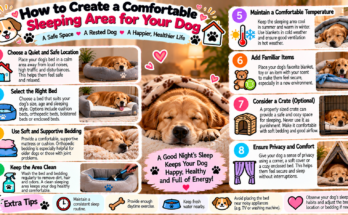
Before bringing a dog home, prepare a comfortable area where it can rest and feel secure. Choose a quiet corner with a suitable bed, water bowl, food bowl, and safe toys.
Remove items that could harm your dog, including medicines, cleaning products, electrical wires, sharp objects, and small items that could be swallowed. Keep rubbish bins covered and store human food safely because some foods, including chocolate, grapes, raisins, onions, and products containing xylitol, can be dangerous for dogs.
Check your garden, gates, doors, and fences if you have outdoor space. A frightened dog may try to escape when it first arrives. Keep windows and balconies secure, and never assume that a dog will understand household dangers naturally.
2. Choose Nutritious Dog Food
A balanced diet is essential for your dog’s growth, energy, and general health. Choose complete dog food that suits your pet’s age, size, activity level, and health needs.
Puppies usually need food formulated for growth, while adult dogs require food designed for maintenance. Senior dogs may benefit from a diet adjusted to their condition and activity level. Ask your veterinarian for guidance if your dog has allergies, digestive problems, or another medical concern.
Follow the feeding instructions on the food packaging as a starting point. The correct amount depends on your dog’s weight, activity, body condition, and individual metabolism. Avoid giving too many treats because they can contribute to unhealthy weight gain.
Keep treats to a small part of the daily diet. Avoid feeding table scraps without checking whether the ingredients are safe for dogs. A balanced commercial diet is generally easier to manage than an unplanned homemade diet.
3. Provide Fresh Drinking Water
Dogs need clean water throughout the day. Keep a water bowl in an accessible location and refill it whenever necessary.
Wash the bowl regularly to remove dirt and saliva. During hot weather, after exercise, or during active play, your dog may need more opportunities to drink.
If your dog spends time outdoors, make sure water is available in a shaded area. Never leave a dog without water as a punishment or restrict drinking to control bathroom habits.
A sudden increase or decrease in thirst can indicate a health problem. If the change continues, consult a veterinarian.
4. Establish a Daily Walking Routine
Regular exercise supports physical health and provides mental stimulation. Many dogs enjoy walks because they can explore new smells, observe their surroundings, and spend time with their owners.
The amount of exercise depends on breed, age, health, and fitness. A young energetic dog may need more activity than an older dog with joint problems. Puppies also require age appropriate exercise, so avoid forcing them into long, strenuous walks.
Start with manageable walks and increase activity gradually. Use a secure leash and a properly fitted collar or harness. Bring waste bags and water when appropriate.
If the weather is very hot, walk during cooler hours and avoid surfaces that could burn your dog’s paws.
5. Begin Basic Training Early
Training helps dogs understand household expectations and can improve safety. Begin with simple skills such as responding to their name, coming when called, sitting, and walking calmly on a leash.
Use positive reinforcement by rewarding desirable behavior with praise, play, or suitable treats. Keep sessions short and repeat them regularly.
Avoid shouting or physical punishment. These methods can create fear and may damage trust. If your dog struggles with a particular skill, make the task easier and reward small improvements.
Consistency matters. When everyone in the household uses the same cues and rules, dogs can learn more clearly.
6. Make Time for Socialization
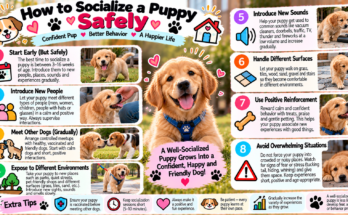
Dogs need positive experiences with different people, sounds, environments, and animals. Early socialization can help puppies become more confident, but experiences should be introduced gradually and safely.
Let your dog observe new things from a comfortable distance. Reward calm behavior and allow breaks when the dog appears overwhelmed.
Puppies should be protected from infectious diseases according to veterinary advice. Ask your veterinarian when it is safe to visit public areas or meet unfamiliar dogs.
Socialization is not about forcing every dog to greet every person or animal. A confident dog should also learn that it is acceptable to remain calm and keep some distance.
7. Maintain Grooming and Hygiene
Regular grooming keeps your dog comfortable and helps you notice changes in its skin and coat. Brushing requirements depend on coat type. Short haired dogs may need less frequent brushing, while long haired dogs often require more regular attention to prevent tangles.
Check your dog’s nails and trim them when necessary using suitable clippers. If you are unsure how to trim them safely, ask a veterinarian or professional groomer to demonstrate the technique.
Clean the ears only as recommended for your dog’s needs, and avoid inserting objects deep into the ear canal. Dental care is important too. Use dog specific toothpaste and a suitable toothbrush when possible.
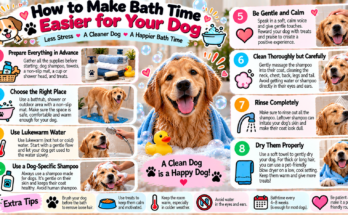
Bathing frequency depends on the dog’s coat, lifestyle, and skin condition. Use shampoo formulated for dogs rather than ordinary human shampoo.
8. Arrange Regular Veterinary Care
Routine veterinary visits help maintain your dog’s health. A veterinarian can recommend vaccinations, parasite prevention, dental checks, identification, and other preventive care based on your dog’s age and lifestyle.
Arrange an initial examination after adopting a dog. Keep records of vaccinations, treatments, medications, and any health concerns.
Contact a veterinarian if your dog develops persistent vomiting, diarrhea, unusual tiredness, loss of appetite, or sudden behavior changes. Difficulty breathing, collapse, suspected poisoning, or signs of heatstroke require urgent veterinary attention.
Never give human medication to your dog unless a veterinarian specifically directs you to do so.
9. Give Your Dog Attention and Companionship
Dogs are social animals and generally benefit from regular interaction with their families. Spend time playing, training, walking, or simply relaxing together.
Provide safe toys and activities when you cannot give direct attention. Food puzzle toys can encourage problem solving, while chew toys designed for dogs can provide suitable enrichment.
Avoid leaving a dog alone for longer than it can comfortably manage. Separation needs vary, and puppies may need frequent toilet breaks and supervision. If your dog becomes distressed when alone, seek advice from a veterinarian or qualified behavior professional.
10. Create a Consistent Daily Routine
A predictable routine can help dogs feel secure. Try to keep feeding, walks, playtime, and bedtime reasonably consistent.
Observe your dog’s normal behavior, appetite, sleep, and bathroom habits. These patterns help you recognize when something changes.
Remember that responsible dog ownership is a long term commitment. Your dog’s needs may change with age, so be prepared to adjust food, exercise, grooming, and veterinary care over time.
Conclusion
Learning how to take care of a dog for beginners becomes easier when you focus on the essentials. Provide nutritious food, fresh water, daily exercise, positive training, regular grooming, preventive veterinary care, and plenty of companionship.
Every dog is different, so observe your pet and adjust its routine to suit its needs. With patience, consistency, and responsible care, you can help your dog feel safe, healthy, and loved.

SEO Details
SEO Title: How to Take Care of a Dog for Beginners
Focus Keyword: how to take care of a dog for beginners
Meta Description: Learn how to take care of a dog for beginners with practical tips on food, exercise, training, grooming, health, and daily routines.
Suggested URL Slug: how-to-take-care-of-a-dog-for-beginners