Taking care of a cat can be a rewarding experience, especially when you understand what your new pet needs to feel safe, comfortable, and healthy. Cats are often considered independent animals, but they still depend on their owners for food, clean water, hygiene, exercise, and affection. If you are a first time cat owner, learning the basics of cat care will help you build a strong relationship with your pet.
In my view, the best way to care for a cat is to establish a simple daily routine and pay attention to changes in its behavior. You do not need to buy every product available in a pet store. What matters most is providing a safe home, suitable nutrition, regular veterinary care, and enough time for your cat.
1. Prepare Your Home Before Bringing a Cat Home
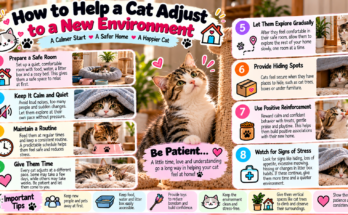
Before welcoming a cat into your home, prepare a quiet and safe area where it can settle in. Cats may feel nervous when they enter an unfamiliar environment, particularly if they have never lived with a family before.
Choose a room or peaceful corner where your cat can find its food, water, litter box, bed, and hiding place. Keep electrical wires, cleaning products, medicines, small objects, and toxic household substances out of reach.
Check windows and balconies carefully. Cats can climb and squeeze through surprisingly small openings, so secure windows with suitable screens and prevent access to unsafe balconies. Remove poisonous plants and make sure your cat cannot reach hot cooking surfaces.
A calm environment makes the adjustment period easier and helps your cat develop confidence.
2. Provide Proper Cat Food
Nutrition is one of the most important parts of caring for a cat. Cats need a balanced diet designed specifically for their nutritional requirements. Choose complete cat food appropriate for your pet’s age and life stage.
Kittens usually need food formulated for growth, while adult cats require food that supports their ongoing health. Older cats may have different nutritional needs depending on their activity level and medical condition.
Follow the feeding instructions on the packaging as a starting point, then adjust portions according to your veterinarian’s advice, your cat’s body condition, and its activity level. Avoid feeding too much because excess weight can contribute to health problems.
Do not assume that milk is necessary for cats. Many adult cats cannot digest lactose comfortably, and ordinary cow’s milk may cause stomach upset. Fresh water and a balanced cat food are much more important.
Never make raw meat, homemade diets, or supplements the main part of your cat’s nutrition without professional guidance. An improperly balanced diet can cause nutritional deficiencies.
3. Make Fresh Water Available
Cats need access to clean drinking water throughout the day. Place a water bowl in an accessible location away from the litter box. Some cats prefer their water bowl to be separate from their food bowl.
Wash the bowl regularly and replace the water when it becomes dirty. If your cat rarely drinks from a traditional bowl, you can try a pet water fountain, provided it is cleaned according to the manufacturer’s instructions.
Wet cat food can also contribute to daily water intake. However, always keep fresh drinking water available.
Pay attention to sudden changes in drinking habits. Drinking much more or much less than usual may be a reason to contact a veterinarian.
4. Keep the Litter Box Clean
A clean litter box helps your cat feel comfortable and encourages appropriate toilet habits. Choose a box large enough for your cat to enter, turn around, and dig without difficulty.
Place it in a quiet location where your cat can reach it easily. Avoid putting it directly beside food and water bowls. In a home with several cats, provide enough separate litter boxes to reduce competition and stress. A common guideline is one box per cat, plus one extra, when space allows.
Remove waste at least once a day and replace the litter as needed. Wash the box regularly with a mild, cat safe cleaning product. Avoid strongly scented cleaners that may discourage your cat from using it.
If your cat suddenly stops using the litter box, do not assume it is simply being difficult. Stress, a dirty box, changes in the home, or a medical problem may be responsible. Seek veterinary advice if the behavior continues or is accompanied by signs of discomfort.
5. Give Your Cat a Comfortable Sleeping Area
Cats sleep for many hours each day, although their exact sleep patterns vary with age and individual habits. Provide a soft, quiet place where your cat can rest without being disturbed.
Some cats prefer enclosed beds, while others enjoy open cushions, blankets, or elevated resting spots. Observe your pet and let it choose between safe options.
You do not need to force your cat to sleep in a particular bed. It may prefer a sunny windowsill, a comfortable chair, or a quiet corner. Make sure its favorite location is safe and does not expose it to excessive heat or falling hazards.
A scratching post and a few climbing opportunities can also make your home more comfortable and interesting.
6. Maintain Regular Grooming
Grooming helps keep your cat’s coat clean and gives you an opportunity to notice skin problems, unusual lumps, or parasites.
Short haired cats may need brushing less frequently than long haired cats. Long haired cats often require daily or frequent brushing to prevent tangles and mats. Start gently and use a brush suitable for your cat’s coat.
Do not pull hard at knots because this can hurt the skin. Severe mats may need professional grooming or veterinary assistance.
Check your cat’s nails regularly. Indoor cats may need occasional nail trimming, but you should learn the correct technique before attempting it. Trim only the sharp tip and avoid cutting the sensitive pink area inside the nail.
Cats usually do not need frequent baths unless they become unusually dirty or a veterinarian recommends bathing for a specific reason.
7. Arrange Veterinary Checkups
Routine veterinary care is essential, even when your cat appears healthy. Arrange an initial examination after adoption or bringing home a new cat. The veterinarian can assess its general condition and recommend vaccinations, parasite prevention, identification, and future checkups.
Kittens generally need a series of early appointments, while adult cats need ongoing preventive care based on their health and lifestyle. Ask your veterinarian about neutering or spaying, dental care, and suitable parasite prevention.
Keep a record of vaccinations, treatments, medical concerns, and changes in weight.
Contact a veterinarian promptly if your cat has difficulty breathing, collapses, repeatedly vomits, cannot urinate, or shows other serious symptoms. Straining to urinate, especially in a male cat, can be a medical emergency.
8. Spend Time Playing With Your Cat
Cats need mental stimulation and physical activity. Short, regular play sessions can help prevent boredom and encourage healthy movement.
Use interactive toys such as wand toys, soft balls, and toy mice. Let your cat chase and catch the toy sometimes so that play feels satisfying. Never use your hands or feet as toys because this can encourage biting and scratching during play.
Rotate toys every few days to keep them interesting. Food puzzle toys can also encourage natural searching and problem solving.
Always supervise toys containing strings, ribbons, or small detachable parts. Put these items away after play because swallowing them can cause serious problems.
9. Understand Your Cat’s Behavior
Every cat has its own personality. Some cats enjoy sitting beside their owners, while others prefer to observe from a distance. Allow your cat to approach you instead of forcing physical contact.
Purring can indicate contentment, but it can also occur when a cat is stressed or uncomfortable. Tail position, ear movement, body posture, and vocal sounds provide additional clues.
If your cat hides when visitors arrive, give it a safe place to retreat. If it moves away during petting, respect that signal. Building trust takes patience, especially with shy cats or animals that have experienced difficult situations.
Reward calm behavior with treats, gentle attention, or play rather than punishment.
10. Create a Consistent Daily Routine
A predictable routine helps many cats feel secure. Try to provide meals, playtime, litter box cleaning, and quiet interaction at reasonably consistent times.
You do not need to follow an exact schedule every minute. The goal is to make important activities predictable while allowing flexibility in your own life.
Before leaving home, check that your cat has fresh water, food as appropriate, access to a clean litter box, and a comfortable indoor environment. Make sure it cannot reach dangerous household items.

Conclusion
Learning how to take care of a cat for beginners becomes much easier when you focus on the essentials. Provide balanced food, fresh water, a clean litter box, a safe resting area, regular grooming, veterinary care, and daily opportunities for play.
Most importantly, take time to understand your cat’s individual needs. Patience and consistency help a new cat feel secure and allow your relationship to grow naturally. Responsible cat care is not about buying expensive accessories. It is about creating a safe, healthy, and loving home.
SEO Details
SEO Title: How to Take Care of a Cat for Beginners
Focus Keyword: how to take care of a cat for beginners
Meta Description: Learn how to take care of a cat for beginners with practical tips on food, water, grooming, litter boxes, health, safety, and daily routines.
Suggested URL Slug: how-to-take-care-of-a-cat-for-beginners