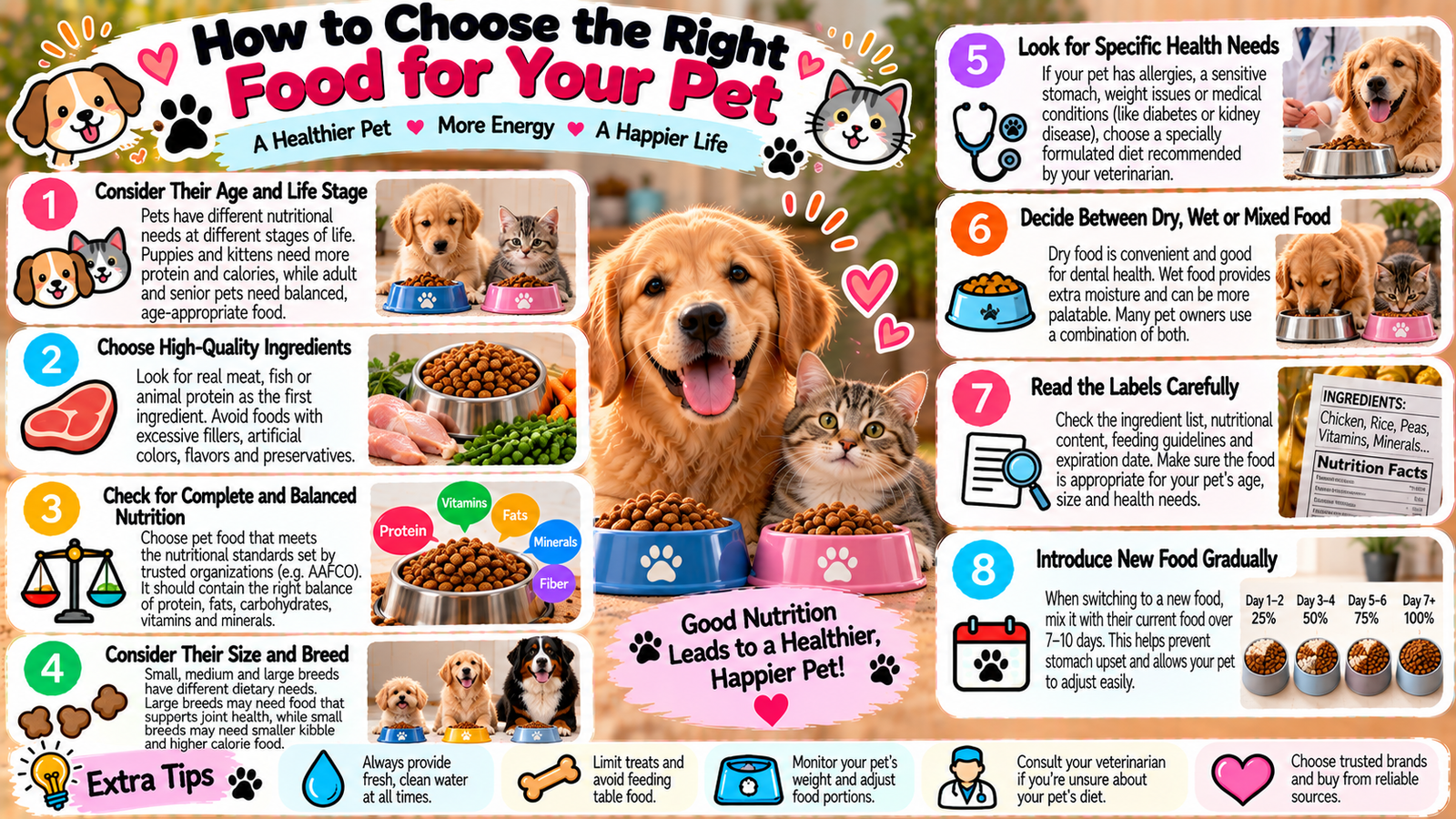
Choosing the right food for your pet is one of the most important responsibilities of being a pet owner. A balanced diet supports healthy growth, strong muscles, normal digestion, a healthy coat, and overall well being. However, pet food choices can be confusing because stores offer many brands, formulas, flavors, and price ranges.
The best food is not necessarily the most expensive product or the one with the most attractive packaging. It is the food that meets your pet’s nutritional needs, suits its life stage, and can be fed consistently in appropriate amounts. Understanding a few basic principles can make choosing pet food much easier.
1. Understand Your Pet’s Species
The first step is to choose food designed for your pet’s species. Cats and dogs have different nutritional requirements, so their diets should not be treated as interchangeable.
Cats are obligate carnivores. They need nutrients found naturally in animal tissues, including taurine, and require a diet specifically formulated to meet feline nutritional needs. Dog food is not a suitable long term substitute for cat food because it may not provide the nutrients cats need in the correct amounts.
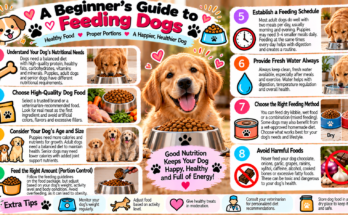
Dogs are omnivorous animals with dietary requirements different from those of cats. A complete and balanced dog food can provide the nutrients they need without requiring every meal to contain a wide variety of ingredients.
Other pets, including rabbits, birds, guinea pigs, and reptiles, have their own specific dietary requirements. Always choose food formulated for the type of animal you own.
2. Consider Your Pet’s Age
Age is an important factor when choosing pet food. Growing animals generally need diets that support development, while healthy adult pets need food that maintains their body condition and energy levels.
Puppies and kittens usually require specially formulated growth diets. These products are designed to provide the energy and nutrients needed during development. Feeding an adult maintenance formula to a growing animal may not provide the right nutritional balance.
Adult pets need food suited to their size, activity, and health. Senior pets may have different energy needs or medical concerns, but not every older animal automatically needs a senior formula. Your veterinarian can help determine whether a change is appropriate.
When switching life stage formulas, follow the manufacturer’s guidance and your veterinarian’s advice, especially if your pet has a health condition.
3. Look for Complete and Balanced Nutrition
A key phrase to look for on pet food packaging is whether the food is described as complete and balanced for a particular life stage or nutritional purpose.
This indicates that the product is intended to provide the essential nutrients required when fed according to its directions. The exact regulatory wording differs between countries, so check the standards used where you live.
Some products are intended only for supplemental feeding, occasional treats, or use alongside another food. These should not automatically be used as the sole diet.
Read the label carefully and ask the manufacturer or a veterinarian if the nutritional purpose is unclear. A product’s flavor, appearance, or marketing claims alone do not prove that it meets your pet’s nutritional needs.
4. Choose Food Based on Body Condition
Every pet needs an appropriate amount of food to maintain a healthy body condition. Feeding too much can lead to excess weight, while feeding too little can cause nutritional deficiencies and unhealthy weight loss.
Look at your pet’s body shape and monitor its weight over time. You should generally be able to feel the ribs without pressing hard, although the ideal appearance varies by species and body type.
Use the feeding guide on the package as a starting point rather than a fixed rule. Different animals may need different amounts because of activity, age, metabolism, and health.
If your pet is gaining or losing weight unexpectedly, consult a veterinarian. Do not make major diet changes without understanding the possible cause.
5. Consider Activity Level
An active dog that regularly exercises may need more energy than a dog that spends most of the day resting. Similarly, an indoor cat may need a different portion size from a highly active cat, although individual needs vary.
Choose a formula suitable for your pet’s lifestyle and adjust portions based on body condition. Avoid assuming that every energetic animal needs unlimited food.
Pets that work, compete in sports, are pregnant, or are nursing may have special nutritional needs. Ask a veterinarian for advice when feeding requirements are different from those of a typical healthy adult pet.
6. Understand Food Allergies and Sensitivities
Some pets experience food related problems, but itching, vomiting, diarrhea, and skin irritation can have many causes. It is not always possible to identify a food allergy simply by changing flavors.
If your pet repeatedly develops digestive or skin problems, consult a veterinarian. A proper evaluation can help distinguish a food issue from parasites, infections, environmental allergies, or another condition.
Veterinarians may recommend a carefully controlled elimination diet when a food allergy is suspected. Randomly switching between many foods can make it more difficult to identify the cause.
Avoid giving supplements, special diets, or homemade remedies without checking whether they are appropriate for your pet.
7. Compare Wet Food and Dry Food
Wet and dry foods can both be suitable when they provide complete and balanced nutrition for the animal and life stage.
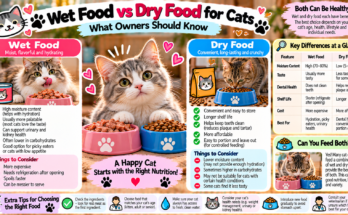
Wet food contains more moisture and may be useful for pets that prefer it or need additional dietary water. Dry food is convenient to measure and store after opening, depending on the product instructions.
For cats, moisture intake is particularly important because many cats have a relatively low natural drive to drink. Some cats benefit from receiving wet food, but the best choice depends on the cat’s overall diet and health.
For dogs, both formats can work well. Consider your dog’s preferences, dental needs, health, and budget. Do not assume that dry food alone prevents dental disease.
8. Read the Ingredients and Nutrition Information
Pet food labels provide information about ingredients, nutrient levels, feeding instructions, and the intended use of the product.
Ingredients are generally listed by weight according to the rules in the relevant market. However, ingredient lists do not tell the entire story about nutritional quality. A food containing an appealing ingredient is not automatically more nutritious than another complete formula.
Look for clear information about the manufacturer, product purpose, feeding directions, and nutritional adequacy. Check the expiry date and ensure the package is sealed and undamaged.
If you have concerns about a product, seek advice from a veterinarian or a qualified veterinary nutrition professional rather than relying entirely on online claims.
9. Change Food Gradually
Changing your pet’s food suddenly can lead to digestive upset. Unless a veterinarian advises otherwise, transition gradually by mixing increasing amounts of the new food with the old food over several days.
Some pets need a slower transition, especially if they have sensitive digestion or are reluctant to accept unfamiliar food.
Monitor appetite, stool consistency, vomiting, and energy levels during the change. If significant symptoms occur, contact a veterinarian.
For cats, prolonged refusal to eat can become dangerous, so do not leave a cat without food while trying to persuade it to accept a new formula. Seek veterinary advice promptly if a cat stops eating.
10. Ask Your Veterinarian for Guidance
A veterinarian can help you choose food based on your pet’s age, body condition, medical history, and lifestyle. Professional advice is especially valuable for pets with kidney disease, diabetes, urinary problems, digestive conditions, or other special dietary needs.
Do not assume that a diet marketed for a particular health concern is appropriate without a proper assessment. Some veterinary diets are designed for specific conditions and may not be suitable for every pet.
Regular weight checks and health examinations can help you decide whether your current feeding plan is working.
Conclusion
Choosing the right food for your pet starts with understanding its species, age, activity level, body condition, and health needs. Look for complete and balanced nutrition, read labels carefully, measure portions, and introduce changes gradually.
There is no single food that is perfect for every animal. By focusing on nutritional needs instead of marketing claims and consulting a veterinarian when necessary, you can create a feeding routine that supports your pet’s long term health.
SEO Details
SEO Title: How to Choose the Right Food for Your Pet
Focus Keyword: how to choose the right food for your pet
Meta Description: Learn how to choose the right food for your pet by considering age, species, nutritional needs, food labels, activity level, and health.
Suggested URL Slug: how-to-choose-the-right-food-for-your-pet